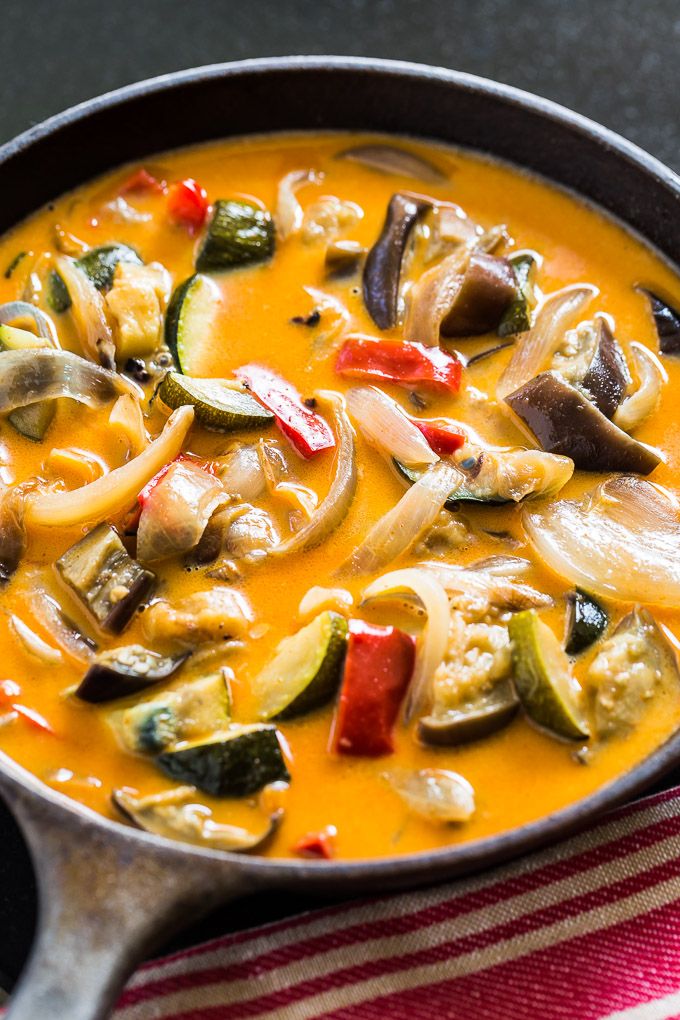
Imagine this: you've had a long day, hunger is setting in, and the thought of a complex dinner recipe feels utterly overwhelming. Yet, you crave something vibrant, aromatic, and deeply satisfying. This is precisely where the magic of the easiest roasted veggie Thai curry steps in, transforming weeknight dinner dilemmas into a swift and sensational culinary triumph. Our secret? A clever, time-saving trick involving pre-roasted vegetables that slashes cooking time without sacrificing an ounce of flavor.
Forget the endless chopping and sautéing when you're pressed for time. This ingenious approach leverages the power of meal prep, turning what could be a multi-step process into a lightning-fast assembly. You might even find yourself waiting for your rice to finish cooking, that's how quick and efficient this method is. It’s not just about speed; it's about building layers of complex flavor and enjoying a truly gourmet experience with minimal effort.
The Ultimate Weeknight Hero: Why Pre-Roasted Veggies Reign Supreme
The cornerstone of this incredibly speedy and flavorful Thai curry is a batch of vegetables you've already roasted. Think of it as your culinary head start! The idea is simple: dedicate a short amount of time on a less busy day to roast a large sheet pan (or two!) of your favorite market vegetables. These aren't just any vegetables; they're destined to become the heart of your Thai curry.
Why are pre-roasted vegetables such a game-changer for the easiest roasted veggie Thai curry?
- Unbeatable Speed: With your veggies already cooked and caramelized, you skip the longest step in many curry recipes. This means less active cooking time and a faster path to dinner on the table.
- Enhanced Flavor: Roasting vegetables brings out their natural sweetness and creates a depth of flavor that steaming or boiling simply can't match. The slight char and caramelization add a smoky, earthy note that enriches the entire curry.
- Superior Texture: Roasted vegetables maintain a pleasant bite and texture, preventing your curry from becoming a mushy affair. They absorb the curry sauce beautifully while still holding their shape.
- Meal Prep Efficiency: This strategy is a meal prepper's dream. By roasting a double batch for another meal (perhaps a delicious breakfast with eggs and basil aioli, as some savvy cooks suggest!), you automatically set yourself up for this quick curry later in the week. It’s all about working smarter, not harder.
Don't be alarmed if your pre-roasted eggplant has lent a peculiar grayish-purple hue to your onions upon opening the container. This is a common and harmless reaction, and rest assured, it won't impact the vibrant color or delicious flavor of your final curry. The robust flavors of the curry paste and coconut milk will beautifully meld everything together.
Demystifying Thai Curry Paste: Choosing Your Flavor Profile
The soul of any Thai curry lies in its paste. For our easiest roasted veggie Thai curry, selecting the right paste is crucial for setting the tone of your dish. While making homemade curry paste from scratch offers an unparalleled freshness and depth – a true labor of love that can be frozen for later use – high-quality store-bought pastes are perfectly acceptable for a quick weeknight meal. In fact, they are your best friend when speed is of the essence.
Here’s a quick guide to popular choices:
- Red Curry Paste: Often the most versatile and widely available, red curry paste typically boasts a good balance of heat from dried red chilies, lemongrass, galangal, and other aromatics. It provides a robust, classic Thai flavor that pairs wonderfully with a variety of vegetables.
- Panang Curry Paste: Slightly milder and often sweeter than red curry, Panang paste offers a richer, sometimes creamier texture, often with subtle peanut notes. Many Panang pastes contain a touch of sugar, so be mindful if you prefer to control sweetness yourself. It’s excellent for those who appreciate a less fiery, more nuanced curry.
- Green Curry Paste: Known for its vibrant color and often spicier kick, green curry paste gets its hue from fresh green chilies and a bounty of fresh herbs like cilantro and basil. It delivers an incredibly fragrant and aromatic experience, often described as the freshest-tasting of the three. For a truly authentic and Restaurant-Quality Vegan Thai Green Curry in 45 Minutes, a good green curry paste is non-negotiable.
While convenience is key, quality still matters. Look for curry pastes with minimal artificial ingredients and a good list of traditional Thai aromatics. If you're curious to dive deeper into the world of paste making, our guide on Homemade vs. Store-Bought Curry Paste: Crafting Thai Flavor offers fantastic insights.
The Symphony of Flavors: Balancing Your Quick Thai Curry
A truly great Thai curry is a harmonious blend of contrasting flavors: spicy, sour, sweet, salty, and a rich umami depth. This careful balance, often learned through immersion in Thai cooking traditions, elevates a simple dish to an extraordinary one. For your easiest roasted veggie Thai curry, understanding this balance is key to achieving a "restaurant-quality" taste right in your own kitchen.
Here’s how each element plays its part:
- The Heat (Curry Paste): The paste provides the initial warmth and aromatic foundation, introducing pungency, spiciness, and often a baseline of saltiness.
- The Richness (Coconut Milk): This is where the magic happens for texture and tempering strong flavors. We recommend using two cans of full-fat coconut milk for this recipe. One can often leaves a curry feeling thin, too spicy, or lacking in the luxurious, silky mouthfeel that is characteristic of an authentic Thai curry. The fat in the coconut milk coats your palate, mellows the spice, and creates a full-bodied, indulgent sauce that perfectly cradles your roasted vegetables.
- The Sweetness (Coconut Sugar/Brown Sugar): A touch of sweetness is vital. It balances the spice, rounds out the sharp edges of other flavors, and amplifies the savory notes. Coconut sugar is traditional and adds a subtle caramel depth, but brown sugar works well too.
- The Saltiness (Fish Sauce/Soy Sauce): This provides the crucial savory punch and umami. For a vegan curry, a good quality soy sauce or tamari is an excellent substitute for fish sauce, adding that essential salty depth.
- The Acidity (Lime Juice/Lime Leaves): Fresh lime juice and fragrant lime leaves are the brighteners. They cut through the richness of the coconut milk, preventing the curry from feeling heavy, and add a zesty, fresh finish that makes your taste buds dance. Add a final squeeze of lime juice right before serving to truly awaken the flavors.
The goal is to taste and adjust, adding small amounts of each element until a beautiful equilibrium is achieved. This thoughtful layering ensures that every spoonful of your easiest roasted veggie Thai curry is complex, satisfying, and utterly delicious.
Seasonal Swaps & Smart Tips for Your Easiest Roasted Veggie Thai Curry
The beauty of this easiest roasted veggie Thai curry lies not just in its speed but also in its incredible adaptability. While many recipes shine brightest with specific ingredients, this dish embraces seasonality and your personal preferences, making it a sustainable and enjoyable meal year-round.
Embracing Seasonal Variety:
The reference recipe highlights using market veggies when eggplant and zucchini are in season. But what happens when the weather turns?
- Spring/Summer: Enjoy the bounty of eggplant, zucchini, bell peppers (any color), cherry tomatoes, green beans, and even corn kernels.
- Fall/Winter: Shift to heartier vegetables like butternut squash, sweet potatoes, carrots, broccoli, cauliflower, Brussels sprouts, and parsnips. These robust vegetables roast beautifully and add a comforting depth to your curry.
Pro-Tips for Perfection:
- Protein Power-Up: While the roasted vegetables are the star, you can easily add protein. Tofu (pan-fried or baked until crispy), chickpeas, pre-cooked chicken, or shrimp can be stirred in during the last few minutes of cooking to warm through.
- Fresh Herbs Finish: A sprinkle of fresh Thai basil, cilantro, or mint leaves just before serving adds an aromatic burst and vibrant color. Don't skip this final touch!
- Serving Suggestions: Traditionally served with jasmine rice, this curry is also fantastic with brown rice, quinoa, or even cauliflower rice for a lighter option. A side of fresh cucumber salad can provide a refreshing contrast to the rich curry.
- Storage Savvy: Leftover curry stores beautifully in an airtight container in the fridge for 3-4 days. It often tastes even better the next day as the flavors have more time to meld.
This method truly revolutionizes weeknight cooking, proving that incredible flavor doesn't have to come at the expense of time. It's a testament to thoughtful planning and smart culinary choices.
The easiest roasted veggie Thai curry isn't just a recipe; it's a strategy for delicious, wholesome meals even on the busiest days. By leveraging the power of pre-roasted vegetables, you unlock a world of flavor and convenience, transforming a potentially lengthy cooking process into a quick, satisfying, and deeply aromatic experience. Whether you're a seasoned chef or a busy parent, this clever approach ensures that a vibrant, restaurant-quality Thai curry is always within reach, proving that sometimes, the simplest methods yield the most spectacular results. So, next time you're craving big, bold Thai flavors, remember the magic of those pre-roasted veggies and get ready to enjoy a sensational meal in record time.
