Homemade vs. Store-Bought Curry Paste: Unlocking Authentic Thai Flavor
The vibrant, aromatic world of Thai curry beckons many home cooks, promising a symphony of sweet, sour, salty, and spicy notes. Yet, the journey to a restaurant-quality bowl often begins with a critical decision: should you reach for a convenient jar of store-bought curry paste, or embark on the rewarding, albeit more involved, path of crafting your own from scratch? This choice profoundly impacts not only your cooking time but also the depth and nuance of your final dish, especially when aiming for the
easiest roasted veggie Thai curry on a busy weeknight.
The Allure of Speed: Store-Bought Curry Paste for Busy Lives
For those seeking to put a delicious and wholesome meal on the table with minimal fuss, store-bought curry paste is an undeniable culinary hero. It’s the secret weapon that transforms the idea of a complex Thai meal into an achievable reality, even on your most hectic evenings. Imagine whipping up an *easiest roasted veggie Thai curry* in the time it takes your rice to cook – that’s the power of a good quality pre-made paste.
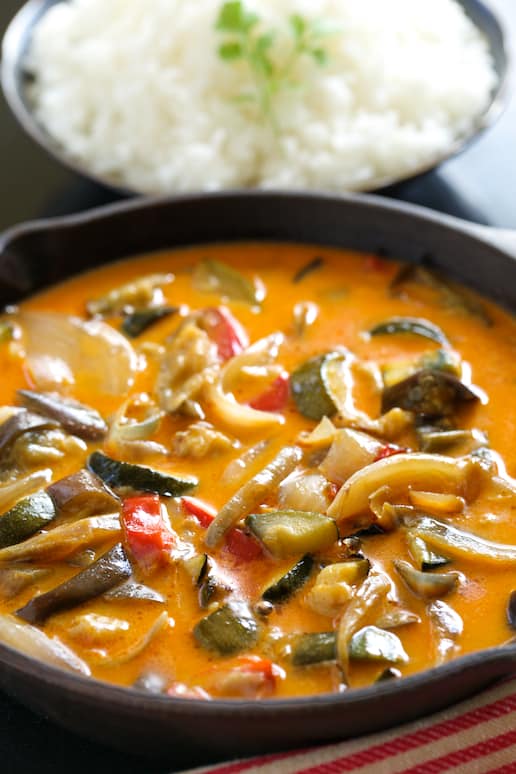
One of the greatest time-savers when utilizing store-bought paste is the brilliant strategy of *pre-roasted vegetables*. If you’ve ever found yourself with an extra sheet pan of beautifully roasted market veggies – perhaps from a previous meal prep session – you’re already halfway to a spectacular curry. Whether it's bell peppers, zucchini, broccoli, or even seasonal root vegetables for a heartier fall/winter take, having them ready means you bypass a significant cooking step. Don't panic if your eggplant has lent a peculiar grayish-purple hue to your onions during storage; this visual quirk doesn't compromise the delightful flavor or vibrant color of your finished curry.
Store-bought pastes come in various popular forms, each offering a distinct flavor profile. Red curry paste, for instance, provides a classic, balanced heat, while Panang curry paste often offers a richer, slightly sweeter, and creamier experience, sometimes containing a touch of sugar. This pre-formulated convenience makes it incredibly easy to experiment and find your preferred base for that quick, satisfying meal. For more insights on this efficient cooking method, dive into our article on
Quick Thai Curry: The Magic of Pre-Roasted Veggies.
The Art of Authenticity: Why Go Homemade?
While convenience is king for weeknights, the allure of homemade curry paste is undeniable for those craving an unparalleled depth of flavor and authenticity. Crafting your own paste from scratch is a labor of love, a thoughtful blend of fresh Thai aromatics and herbs that promises a taste experience a cut above. Ingredients like fresh lemongrass, galangal, kaffir lime zest, dried chilies, shallots, garlic, and shrimp paste (or a vegan alternative) are pounded together to create a potent, incredibly fresh base that truly sings.
The primary advantage of homemade paste lies in its vibrant, nuanced flavor. Store-bought versions, while excellent for speed, often rely on dried ingredients and preservatives, which can mute some of the more delicate, volatile compounds found in fresh produce. When you make your own, you have complete control over the quality and freshness of each component, allowing you to fine-tune the spice level, saltiness, and overall aromatic intensity. This personal touch ensures your curry is precisely tailored to your palate, free from unwanted added sugars, artificial colors, or excessive sodium.
Beyond flavor, there's a certain satisfaction that comes from creating such a fundamental component of a dish yourself. It connects you more deeply to the culinary traditions of Thailand. And while it requires more upfront effort, homemade paste is surprisingly practical. It keeps well in the fridge for 1 to 2 weeks, and any leftover portions can be frozen for several months, ready to elevate future culinary endeavors.
Bridging the Gap: Elevating Your Thai Curry Experience
Whether you opt for the speed of store-bought or the depth of homemade, there are universal principles that will elevate any Thai curry to new heights. The core of Thai cuisine, learned from immersive experiences like cooking retreats in Thailand, is the masterful balancing of flavors: sweet, sour, salty, spicy, and umami.
For those using *store-bought paste*, you can significantly enhance its profile and bring it closer to a homemade standard:
*
Sauté with Fresh Aromatics: Before adding coconut milk, gently sauté your store-bought paste with freshly minced garlic, ginger, shallots, and a stalk of bruised lemongrass. This awakens the paste's flavors and adds layers of freshness.
*
Add Key Fresh Herbs: Incorporate fresh kaffir lime leaves (bruised or finely sliced), a few bird’s eye chilies (if you like extra heat), and plenty of fresh Thai basil at the very end of cooking. These aromatics contribute characteristic flavors that even the best store-bought pastes can't fully replicate.
*
Master the Balance: Use ingredients like coconut sugar (to temper heat and boost savoriness), fish sauce or soy sauce (for savory depth), and fresh lime juice (for brightness and acidity) to adjust your curry to perfection.
*
Don't Skimp on Coconut Milk: For that signature silky, rich mouthfeel, use full-fat coconut milk. Many successful recipes, including those for a truly *easiest roasted veggie Thai curry*, recommend two cans of coconut milk for an optimal texture and flavor intensity, ensuring your curry is full-bodied and luxurious, not watery or overly spicy. This is crucial for mimicking that "restaurant-quality" experience, even with a quick-prep approach. For more on creating gourmet Thai dishes quickly, read our guide on
Restaurant-Quality Vegan Thai Green Curry in 45 Minutes.
For *homemade paste*, the elevation comes from ensuring the freshest ingredients for the paste itself and meticulously balancing the final curry. Don't let the effort of making the paste overshadow the importance of the finishing touches – the right amount of coconut milk, the precise balance of seasonings, and the final flourish of fresh herbs.
Crafting Your Easiest Roasted Veggie Thai Curry
Regardless of your paste choice, the concept of an *easiest roasted veggie Thai curry* hinges on efficiency and flavor layering. Here's a streamlined approach:
1.
Prep Your Veggies: The ultimate time-saver is having a batch of roasted vegetables ready. Think colourful bell peppers, tender broccoli florets, hearty sweet potatoes or pumpkin, and crisp green beans. If you're doing a fresh roast, chop your chosen vegetables, toss with a little oil, salt, and pepper, and roast until tender-crisp.
2.
Build the Base: In a large pot or deep skillet, a dash of oil, gently sauté your curry paste (homemade or store-bought) for 1-2 minutes until fragrant. If using store-bought, this is the perfect time to add fresh minced garlic, ginger, or shallots.
3.
Add Liquid & Simmer: Pour in your full-fat coconut milk (two cans for that indulgent creaminess!) along with a splash of vegetable broth if desired. Add bruised kaffir lime leaves and lemongrass. Bring to a gentle simmer, allowing the flavors to meld.
4.
Introduce Protein & Veggies: Add your pre-roasted vegetables to the simmering curry. If you're including a protein like tofu, tempeh, chickpeas, or pre-cooked chicken, add it now.
5.
Season & Finish: Taste and adjust the seasoning. This is where the magic of balance happens. Add coconut sugar for sweetness, soy sauce or fish sauce for umami and saltiness, and fresh lime juice for brightness. Stir in plenty of fresh Thai basil just before serving, allowing its aromatic oils to perfume the dish.
6.
Serve: Ladle generously over fluffy jasmine rice or quinoa, and enjoy your incredibly flavorful, yet deceptively easy, roasted veggie Thai curry!
This flexible framework allows you to adapt to seasonal produce, ensuring that whether it's summer zucchini or winter squash, your *easiest roasted veggie Thai curry* remains a go-to meal.
Conclusion
The journey to crafting exceptional Thai curry, especially an *easiest roasted veggie Thai curry*, is a personal one, with delicious outcomes regardless of your chosen path for curry paste. Store-bought paste offers unparalleled convenience, making authentic Thai flavors accessible on the busiest nights, especially when paired with the genius of pre-roasted vegetables. On the other hand, a homemade paste provides a deeply rewarding experience, offering superior freshness, control, and a nuanced flavor profile that truly sings. By understanding the strengths of each option and applying universal principles of flavor balancing and ingredient elevation, you can consistently create stunning Thai curries that delight the senses and nourish the soul. So, embrace the flexibility, experiment with confidence, and savor every spoonful of your homemade Thai masterpiece.